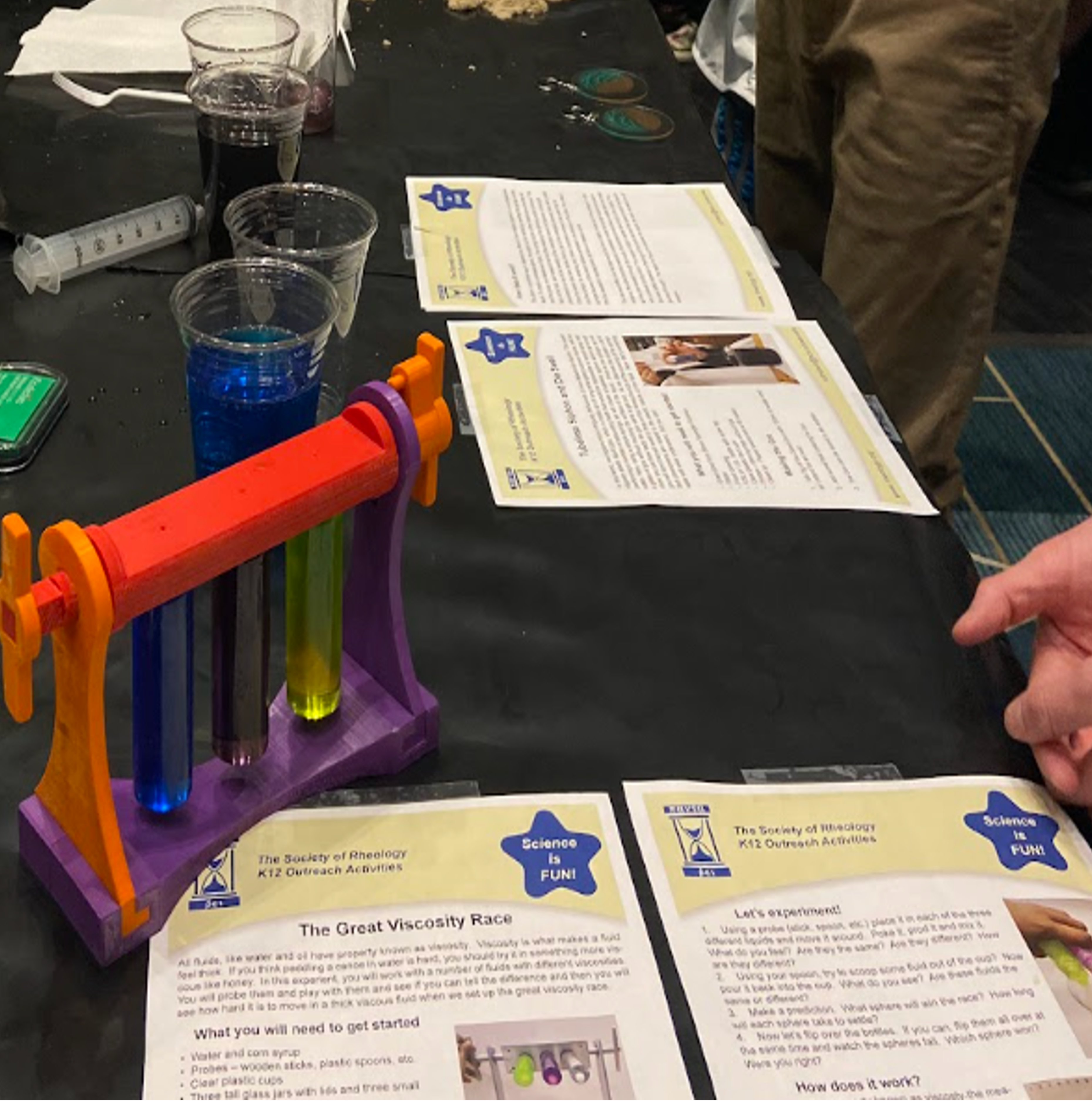
Editorial: Squishy Science Sunday—Recipes for Public Engagement
Tewari and Robertson-Anderson present ‘recipes’ to engage the general public with Squishy Science.
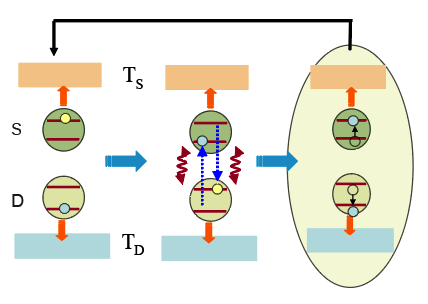
Over 30 years of Statistical and Nonlinear Physics in Physical Review E
APS Division of Statistical and Nonlinear Physics and Physical Review E review over 30 years of research in the division’s areas.
 NEWS AND COMMENTARY
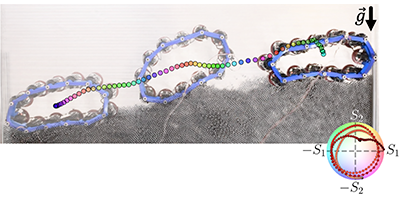
Tiny Particles Charge Like Capacitors
Matteo Milani, Joshua D. McGraw, Anke Lindner, and Stefano Aime
Phys. Rev. E 114, 041005 (2026)
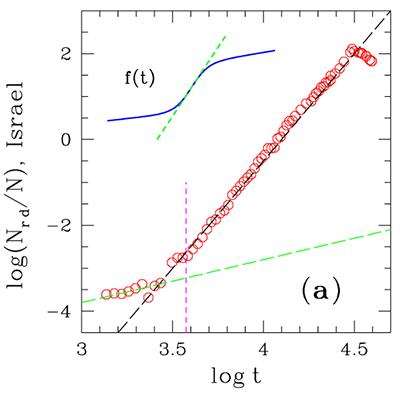
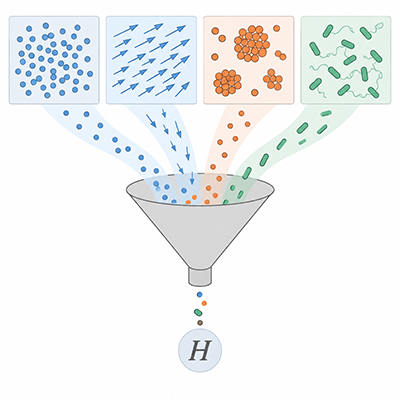
Michal Strelniker, Yakov M. Strelniker, and Shlomo Havlin
Phys. Rev. E 114, 044318 (2026)
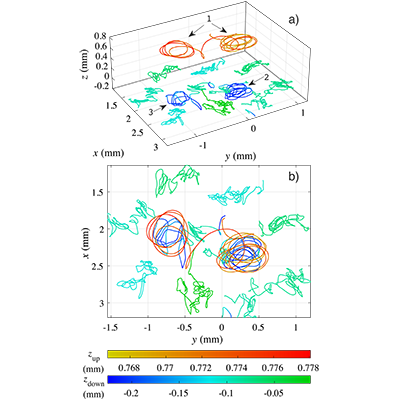

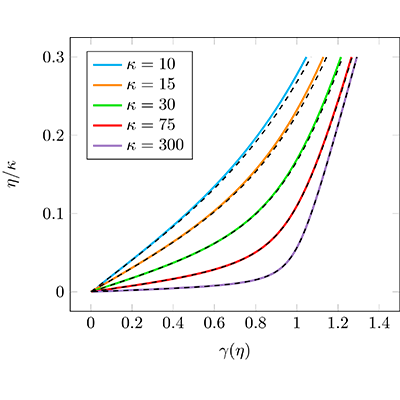
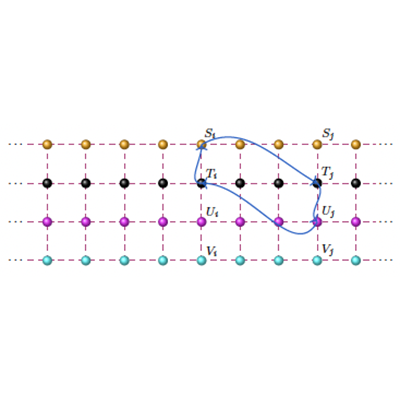
Michael R. Buche, Matthew J. Grasinger, and Jason P. Mulderrig
Phys. Rev. E 114, L043401 (2026)
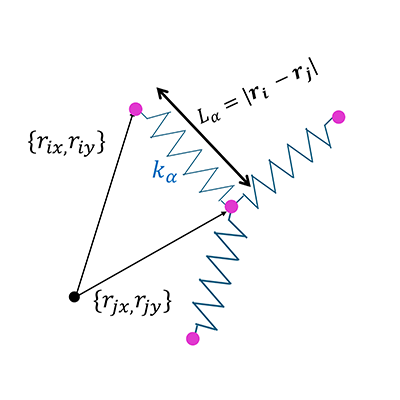


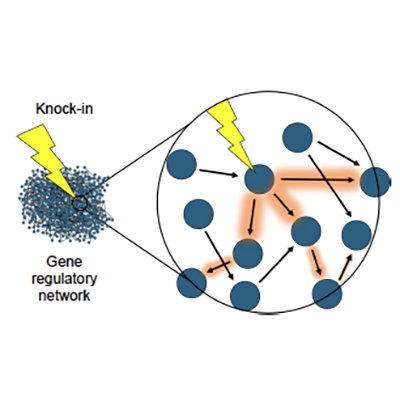
Ryan LeFebre, Tyler Schutt, Fabrisia Ambrosio, and Andrew Mugler
Phys. Rev. E 114, 044401 (2026)

IUPAP Early Career Scientist Prizes
The Editors of the Physical Review journals congratulate the winners of the 2025 IUPAP Early Career Scientist Prize, who were awarded at STATPHYS 29 in Florence, Italy, along with all of the winners of the previous editions of the prize.
To celebrate the contributions of all the awardees, the Editors present a selection of their work published in the Physical Review journals.
About Physical Review E
Email Alerts
Sign up to receive regular email alerts from Physical Review E.
Sign Up
.png)




.png)